The Outstretched Hand: Teshuvah, Forensic Grace, and the Rekindled Flame of Joseph
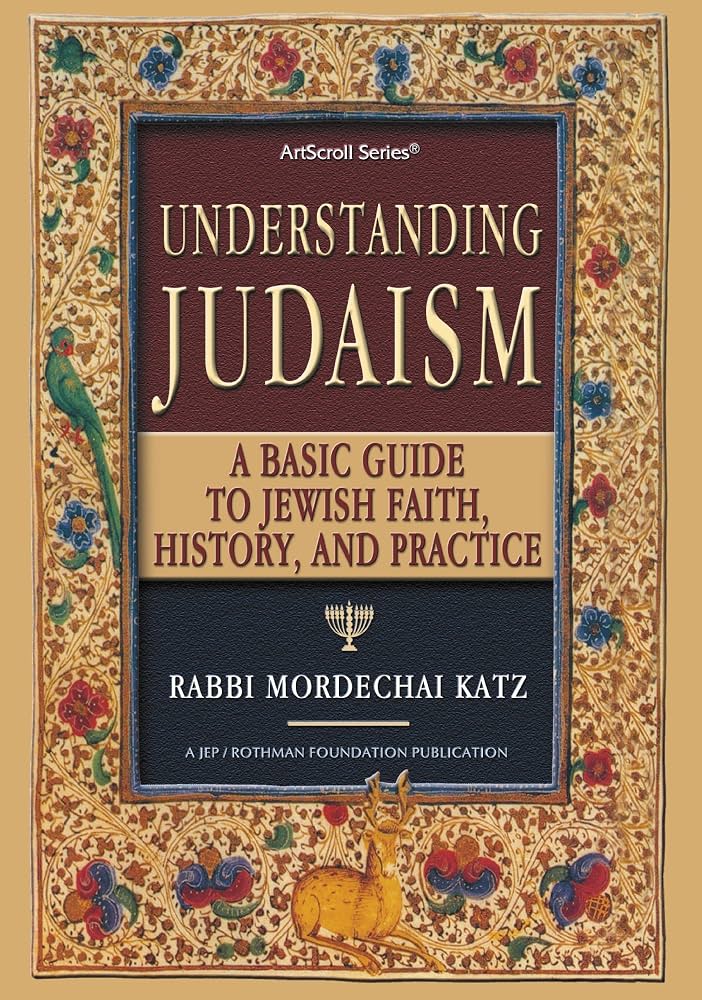
Understanding Judaism Pages 44–46 of Rabbi Katz’s Understanding Judaism deliver a quiet thunderclap: “This teaches us that we should never say to ourselves that we are so deeply entrenched in sin that nothing can purify us. G-d’s hand is always outstretched toward us, to receive us when we do teshuvah, no matter how far away we think we have been.”
One almost reaches for the systematic theology shelf. The Calvinist in the room perks up, ready to unfurl the ordo salutis—that elegant Latin chain linking effectual calling, regeneration, faith, repentance, justification, sanctification, and glorification. Forensic justification, after all, finds exquisite precedent in the Joseph narrative itself: the steward of Egypt’s grain standing as advocate for guilty Benjamin before the unrecognized brother who holds the power of life and death. The courtroom drama of Genesis 44 is forensic grace in narrative form—substitutionary mercy extended while the guilt is still warm.
Yet something in Katz’s presentation short-circuited the usual polemical reflexes. Instead of launching into debates over progressive versus declarative justification, or Catholic infusion versus Protestant imputation, the text redirected the gaze back to the biblical page. The Rambam’s threefold anatomy of true repentance suddenly took center stage:
Recognition and regret—the first twinge of conscience, the soul’s interior audit.
Abandonment of the crooked path.
Firm resolve never to repeat the offense.
Scholarly self-examination has its place, but here the emphasis lands squarely on the story—the historical drama of Joseph and his fractured family. The personal urge to dissect “free will” versus “depraved nature,” to flap theological arms like a grounded son of Adam desperate for lift, quietly subsided. No amount of arm-flapping elevates dust-born humanity into the genus of eagles. The burden is not finally ours to generate; the initiative belongs to the G-d whose hand remains outstretched even when ours hang limp.
In resisting the old polemical rut, something unexpected happened. The embers, long blackened by a year of theological frost (we Calvinists have earned the cheeky nickname “frozen chosen”), began to glow again. Rabbi Katz’s devout sincerity acted as wick-to-wick transmission. The Joseph narrative—Yosef the dreamer, betrayed, exalted, testing, weeping, and ultimately reconciling—rekindled what systematic categories alone could not. The iced abstractions thawed under the warm breath of redemptive history.
This is the quiet genius of good exegesis: it refuses to let us remain spectators in the heavenly courtroom or armchair theologians of the ordo salutis. It drags us into the grain-filled storehouses of Egypt, where a brother we thought lost stands ready to embrace us despite every calculated test of loyalty. The same G-d who orchestrated Joseph’s descent and ascent extends His hand still.
Which raises the sharper question for modern ears: What actually appeals to unbelievers about heaven? Is it merely escape from consequence or delayed cosmic reward for playing nice? Or is it the far more terrifying and beautiful prospect of discovering the Creator in holiness—learning at last to love, glorify, and enjoy Him forever, beginning now? The outstretched hand is not a safety net for the self-justified; it is the Father’s welcome to those who, like Benjamin, stand guilty yet represented, and like Joseph’s brothers, find that the story was always about mercy greater than their betrayal.
In the end, teshuvah and justification converge not in abstract systems but in the lived drama of Scripture. The flame is rekindled precisely where we stop flapping and reach—however feebly—toward the Hand that has never withdrawn.

 Understanding Judaism